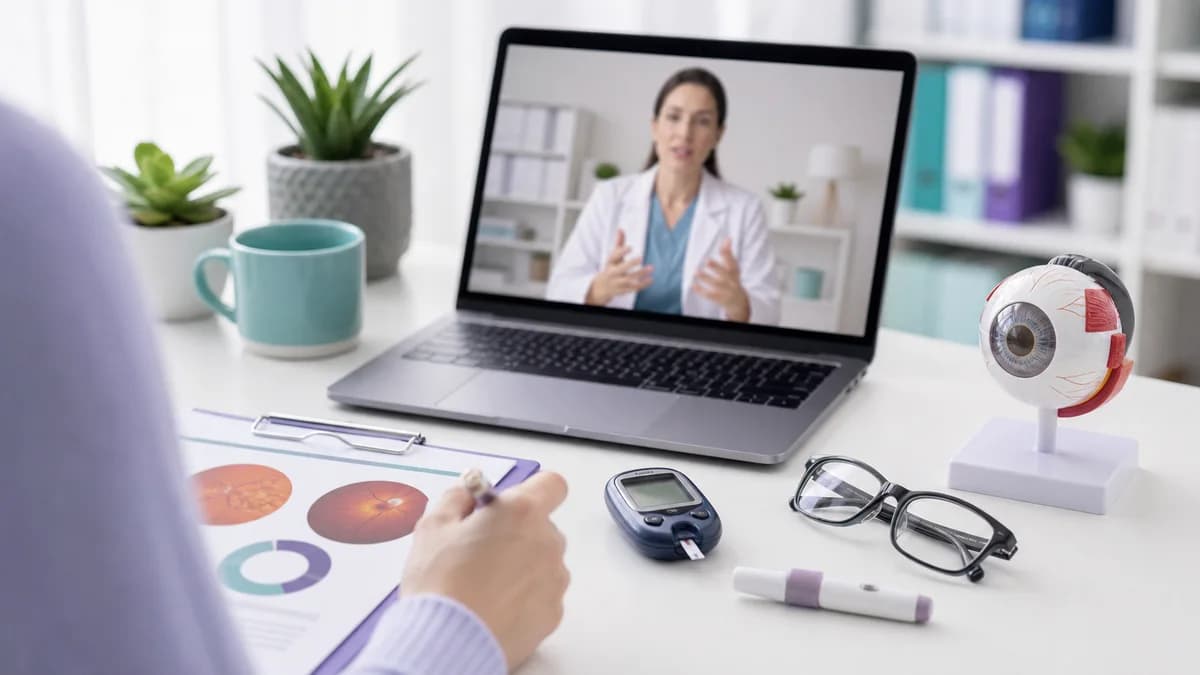
Diabetic retinopathy is a diabetes complication affecting the small blood vessels in the retina. It can lead to blurred vision, spots in the visual field, bleeding, macular oedema and, in severe cases, loss of vision.
The difficulty is that it may cause neither pain nor obvious symptoms at first. A patient with diabetes should therefore not wait until vision deteriorates before seeing an ophthalmologist.
Why does it occur?
Long-term high glucose damages small vessels. Risk increases with duration of diabetes, insufficient glucose control, high blood pressure, kidney disease, pregnancy and other cardiovascular problems. It is not a personal failing; it is a complication to prevent and detect.
Controlling glucose, blood pressure and lipids helps reduce the risk of progression. Also see the article on kidneys in diabetes, because eyes and kidneys may reflect small-vessel damage.
When should you have an examination?
The exact frequency is agreed with the ophthalmologist and diabetes specialist. Generally, people with type 2 diabetes need an eye examination at diagnosis or soon afterwards, because diabetes can exist for years before detection. People with type 1 diabetes receive recommendations based on disease duration and age. Pregnancy changes risk and may require closer monitoring.
The examination may include pupil dilation, retinal photographs, retinal tomography or other tests. What matters is a diabetes assessment, not just checking a glasses prescription.
Symptoms that should not be ignored
new blurred vision;
spots, shadows or dark shapes in your visual field;
difficulty reading or seeing fine detail;
flashes, distortions or sudden loss of vision;
large differences in vision between the eyes.
Sudden vision changes need prompt assessment. Do not wait for your next scheduled check if a significant change occurs.
What role does HbA1c play?
HbA1c shows average glucose over approximately the last three months, but does not tell the whole story. Two people with the same HbA1c may have different glucose fluctuations. Nevertheless, better and stable glucose control, set individually, is one of the central measures for protecting the eyes.
Do not aim for a sudden decrease without medical supervision, especially with advanced retinopathy or complex treatment. Targets are individualised based on age, diabetes duration, hypoglycaemia risk and complications.
What can you do between checks?
follow glucose monitoring and prescribed treatment;
measure blood pressure and discuss high readings;
check the lipid profile and cardiovascular risk;
schedule an eye examination before symptoms appear;
do not smoke, or seek help to stop;
tell your doctor about vision changes.
An online diabetes consultation may help adjust meals and monitoring. If you have many results, start with test interpretation.
What to bring to the ophthalmologist
Ideally, bring your latest HbA1c results, treatment list, recent blood pressure readings, diabetes history and previous eye examination results. If you have had blurred vision, note when it occurs: in the morning, after meals, with high glucose or after hypoglycaemia. Rapid glucose changes can temporarily affect vision and complicate choosing glasses.
Tell the doctor if you are pregnant, planning pregnancy or have kidney disease. Monitoring may differ. Do not postpone the check because “I can still see well”; that is precisely the reason for screening.
Treatment depends on the stage
Some forms need only monitoring and metabolic control; others may require specialist eye treatments. The decision belongs to the ophthalmologist. The patient's role is to attend in time, control risk factors and promptly report new symptoms.