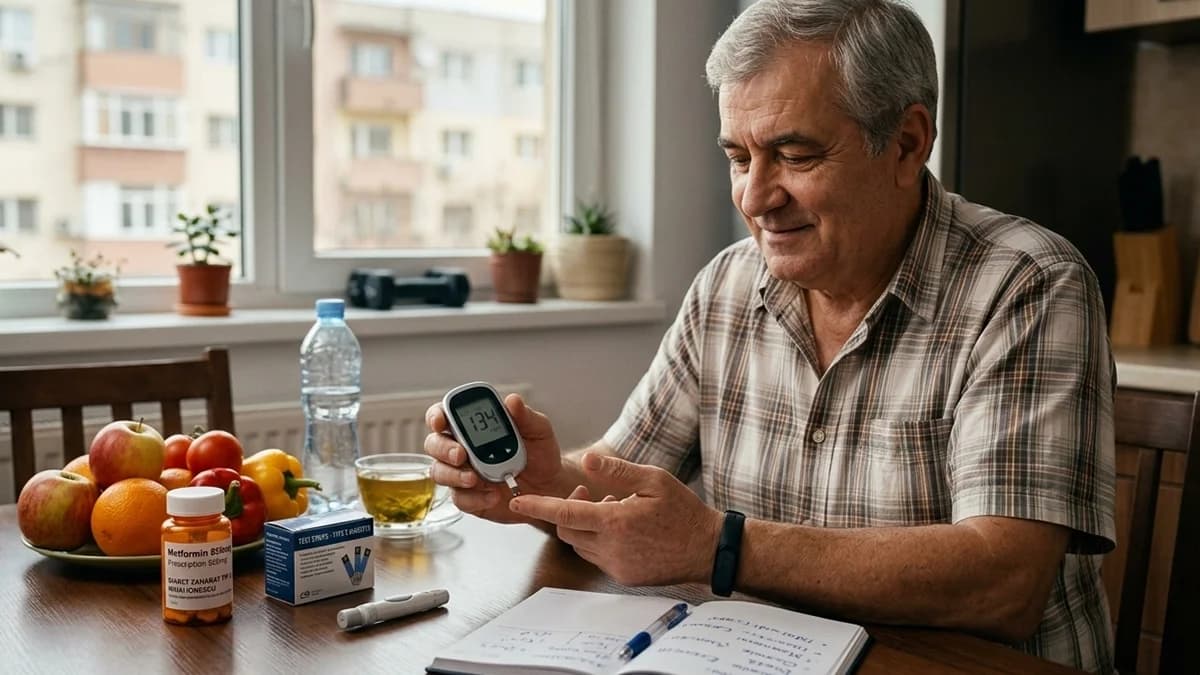
What is type 2 diabetes?
Type 2 diabetes is a chronic metabolic disease characterised by high levels of glucose (sugar) in the blood. Unlike type 1 diabetes, in which the pancreas no longer produces insulin, in type 2 diabetes the body either does not produce enough insulin or does not use the insulin produced effectively, a phenomenon called insulin resistance.
Insulin is a hormone produced by the pancreas's beta cells that acts like a “key”: it allows blood glucose to enter cells, where it is used for energy. When this mechanism does not work properly, glucose accumulates in the blood, causing chronic hyperglycaemia.
According to International Diabetes Federation data, more than 1 million Romanians have diagnosed diabetes, with an estimated further 500,000 people living with undiagnosed diabetes. Worldwide, type 2 diabetes accounts for approximately 90–95% of all diabetes cases.
Risk factors
The development of type 2 diabetes is influenced by a combination of genetic and lifestyle factors:
Non-modifiable factors
- Age – risk increases after 45, although more young people are being diagnosed
- Family history – higher risk if a parent or sibling has type 2 diabetes
- Ethnicity – some populations have higher risk
- Gestational diabetes – women who have had diabetes during pregnancy have an increased later risk
- Polycystic ovary syndrome (PCOS) – associated with insulin resistance
Modifiable factors
- Excess weight and obesity – the most important modifiable risk factor; abdominal (visceral) fat is particularly dangerous
- Inactivity – lack of physical activity reduces insulin sensitivity
- Unhealthy eating – excessive sugar, ultra-processed foods and saturated fat
- Smoking – increases diabetes risk by 30–40%
- Chronic stress and insufficient sleep – affect hormonal balance and glucose metabolism
Symptoms of type 2 diabetes
Type 2 diabetes develops gradually, and many people may have the condition for years without obvious symptoms. When present, symptoms include:
- Excessive thirst (polydipsia) – the body tries to remove excess glucose through urine, leading to dehydration and thirst
- Frequent urination (polyuria) – especially at night (nocturia)
- Excessive hunger (polyphagia) – cells do not receive enough glucose and the body signals a need for food
- Unexplained weight loss – although this may seem paradoxical in someone with overweight
- Fatigue and lack of energy – cells cannot use glucose efficiently as fuel
- Blurred vision – hyperglycaemia affects the eye's lens
- Slow wound healing – hyperglycaemia affects circulation and the immune system
- Frequent infections – particularly urinary, skin or genital infections (candidiasis)
- Tingling or numbness in the hands or feet (peripheral neuropathy)
- Darkened skin areas (acanthosis nigricans) – particularly on the neck, armpits or skin folds
Important: If you recognise these symptoms, consult a doctor as soon as possible. Early diagnosis prevents severe complications. You can quickly book an online diabetes consultation.
How type 2 diabetes is diagnosed
Diagnosis is based on blood tests measuring glucose levels. The diagnostic criteria are:
Diagnostic tests
- Fasting blood glucose – ≥ 126 mg/dL (7.0 mmol/L) on two separate measurements → diabetes
- HbA1c (glycated haemoglobin) – ≥ 6.5% → diabetes. Reflects average glucose over the last 2–3 months
- OGTT (oral glucose tolerance test) – 2-hour glucose ≥ 200 mg/dL after 75 g of glucose → diabetes
- Random blood glucose – ≥ 200 mg/dL in the presence of classic symptoms → diabetes
Reference levels
- Normal: fasting glucose < 100 mg/dL; HbA1c < 5.7%
- Prediabetes: fasting glucose 100–125 mg/dL; HbA1c 5.7–6.4%
- Diabetes: fasting glucose ≥ 126 mg/dL; HbA1c ≥ 6.5%
If you have prediabetes, this is the ideal time to intervene: lifestyle changes can prevent or delay diabetes developing.
Treatment of type 2 diabetes
Treatment is individualised and based on several pillars:
1. Lifestyle changes
These are the foundation of treatment, whatever the disease stage:
- Appropriate nutrition – fewer refined carbohydrates and more fibre, vegetables and lean protein. A personalised nutrition plan is essential
- Regular physical activity – at least 150 minutes/week of moderate aerobic activity plus resistance training
- Weight loss – losing only 5–7% of weight can significantly improve glucose control
- Stopping smoking
- Stress management and adequate sleep (7–9 hours/night)
2. Medication
When lifestyle changes are insufficient, the doctor will recommend medication:
- Metformin – a first-line medicine that reduces liver glucose production and improves insulin sensitivity. Well tolerated, with mild gastrointestinal side effects
- SGLT2 inhibitors (empagliflozin, dapagliflozin) – remove excess glucose through urine; have demonstrated cardiovascular and kidney benefits
- GLP-1 agonists (semaglutide, liraglutide, tirzepatide) – stimulate insulin release, reduce appetite and have cardiovascular benefits. Wegovy and Mounjaro are the best-known options
- DPP-4 inhibitors (sitagliptin, vildagliptin) – modestly stimulate insulin release and are well tolerated
- Sulfonylureas (glimepiride, gliclazide) – stimulate the pancreas to produce more insulin; attention is needed to hypoglycaemia risk
- Insulin – needed in advanced stages when the pancreas no longer produces enough insulin
3. Treatment targets
General treatment goals, individualised by the doctor:
- HbA1c < 7% (or < 6.5% in young patients without complications; < 8% in older people)
- Fasting glucose: 80–130 mg/dL
- Postprandial glucose: < 180 mg/dL
- Blood pressure: < 130/80 mmHg
- LDL cholesterol: < 100 mg/dL (or < 70 mg/dL with high cardiovascular risk)
Monitoring diabetes
Regular self-monitoring is essential for good disease control:
- Glucose meter – measures capillary glucose. Testing frequency depends on treatment, from occasional checks to several times daily for insulin users
- Continuous glucose monitoring (CGM) systems – skin-worn sensors that monitor glucose continuously, such as FreeStyle Libre or Dexcom
- HbA1c – checked every 3–6 months
- Regular medical consultations – every 3–6 months, or more frequently when starting or adjusting treatment
Keep a diary of glucose, meals and physical activity: this helps the doctor optimise treatment.
Preventing complications
Untreated chronic hyperglycaemia can lead to severe complications:
Microvascular complications
- Diabetic retinopathy – damage to retinal vessels, the leading cause of blindness in adults. An annual eye examination is essential
- Diabetic nephropathy – kidney damage that may progress to kidney failure. Monitor albuminuria and creatinine
- Diabetic neuropathy – nerve damage, especially in the feet: pain, tingling, numbness and loss of sensation
Macrovascular complications
- Cardiovascular disease – heart attack and stroke. Diabetes doubles cardiovascular risk
- Peripheral arterial disease – impaired circulation in the legs
Other complications
- Diabetic foot – ulcers that heal poorly and risk of amputation. Daily foot inspection is essential
- Frequent infections
- Erectile dysfunction
- Depression – twice as common in people with diabetes
The good news: most complications can be prevented or delayed by maintaining good glucose control, appropriately managing blood pressure and cholesterol, and attending regular medical checks.
Recommended monitoring programme
A patient with type 2 diabetes should regularly have:
- Every 3–6 months: HbA1c, a diabetes specialist consultation and fasting glucose
- Annually: a full lipid profile, kidney function (creatinine, eGFR, urine albumin), liver function, eye examination, foot examination and ECG
- As needed: treatment adjustment, nutrition assessment and depression screening
When to consult a doctor online
An online medical consultation can be an excellent option for:
- Interpreting routine tests and adjusting treatment
- Discussing a new symptom or medicine side effect
- Obtaining an eating plan adapted to diabetes
- Follow-up monitoring between in-person consultations
- A second medical opinion
On Clinica Virtuală, you can book a diabetes consultation with a specialist doctor from the comfort of home. The doctor can analyse your results, adjust treatment and guide you in daily diabetes management.
Conclusion
Type 2 diabetes is chronic, but proper management can prevent complications and support a long, good-quality life. The key is combining balanced nutrition, regular physical activity, appropriate medication and consistent monitoring.
Do not ignore symptoms or postpone medical consultation. The earlier diagnosis and treatment begin, the better the outlook. Book an online consultation today and take control of your health.