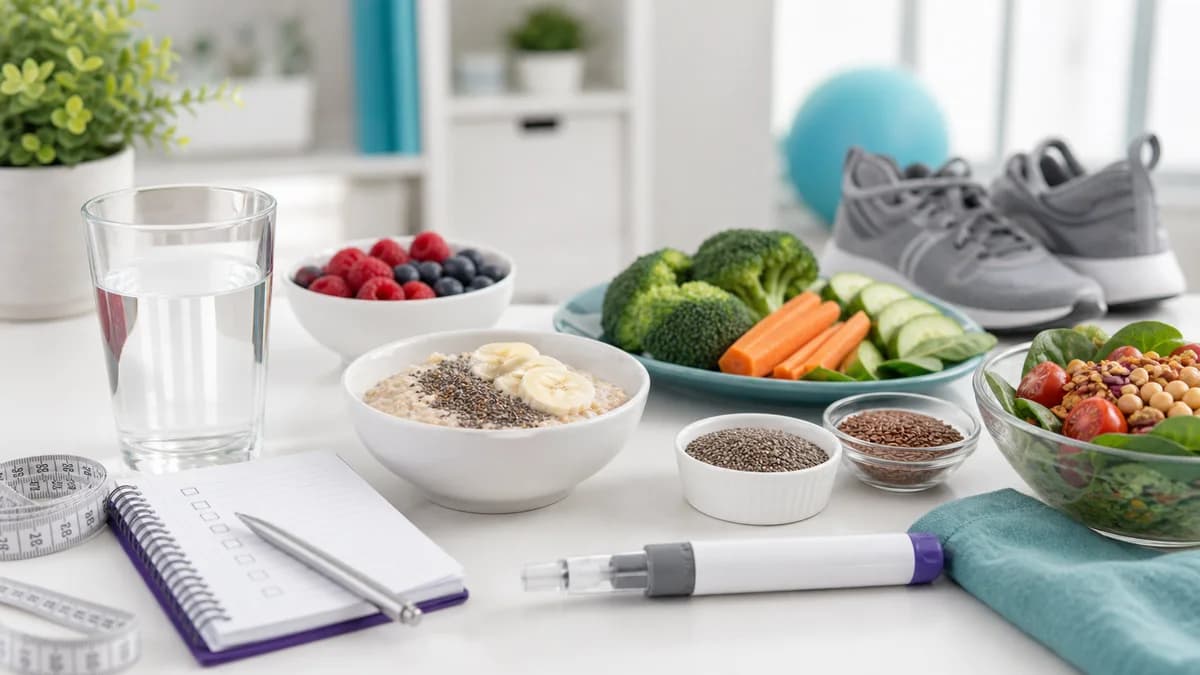
What is semaglutide?
Semaglutide is a medicine in the GLP-1 receptor agonist class (glucagon-like peptide-1), originally developed by Novo Nordisk to treat type 2 diabetes. It was later found to have a strong effect on reducing body weight, leading to approval for obesity treatment as well.
Semaglutide is available under several brand names:
Ozempic – an injectable form approved for type 2 diabetes (the formulation and dose are chosen according to the authorised indication)
Wegovy – an injectable form specifically approved for weight management (the treatment regimen is determined according to current product information)
Rybelsus – an oral form (tablets) approved for type 2 diabetes
Wegovy is indicated for weight management in eligible people. The formulation, dose and monitoring are agreed with the doctor according to current EU information; a dose presented in a study is not an individual recommendation.
How does semaglutide help with weight loss?
Semaglutide acts through several complementary mechanisms that contribute to weight reduction:
1. Reducing appetite in the brain
Semaglutide crosses the blood–brain barrier and acts directly on the hypothalamus, the appetite control centre. Activating GLP-1 receptors in the brain produces an earlier and longer-lasting feeling of fullness, reducing the desire to eat and total calorie intake.
Functional neuroimaging studies show that semaglutide reduces activity in brain areas associated with appetite and food reward, explaining why patients report a significant reduction in obsessive thoughts about food.
2. Slowing gastric emptying
The medicine slows the rate at which the stomach empties, meaning food stays in the stomach longer. This contributes to prolonged fullness after meals and reduces the tendency to eat between meals.
3. Beneficial metabolic effects
Alongside reducing appetite, semaglutide improves insulin sensitivity, lowers fasting and postprandial glucose, reduces chronic inflammation and has favourable effects on the lipid profile (cholesterol and triglycerides).
Results of the STEP clinical studies
The effectiveness of semaglutide for weight loss was evaluated in the STEP (Semaglutide Treatment Effect in People with Obesity) clinical programme, which included more than 10,000 participants across several studies.
Key results
Average loss of 14.9% of body weight after 68 weeks (STEP 1 study) – approximately 15 kg for someone weighing 100 kg
Approximately one third of participants lost more than 20% of their weight
More than 85% of participants lost at least 5% of their weight (the threshold considered clinically significant)
Results were maintained over 2 years of continuous treatment (STEP 5 study)
Significant reductions in waist circumference, blood pressure, cholesterol and HbA1c
The SELECT study – cardiovascular benefits
A separate large study, SELECT, showed that semaglutide 2.4 mg reduces the risk of major cardiovascular events by 20% in patients with obesity and heart disease, even independently of weight loss. This was a major finding that strengthened semaglutide's position as a treatment with benefits beyond weight reduction.
Who is eligible for semaglutide treatment?
According to clinical guidelines, semaglutide for weight loss is indicated for adults who meet one of the following criteria:
BMI ≥ 30 kg/m² (obesity)
BMI ≥ 27 kg/m² (overweight) with at least one weight-related comorbidity: type 2 diabetes, hypertension, dyslipidaemia, sleep apnoea, cardiovascular disease or osteoarthritis
Situations to discuss with the doctor before semaglutide treatment:
People with a normal BMI who want to lose weight for cosmetic reasons
Pregnant or breastfeeding women
People with a thyroid history requiring risk assessment by the doctor
People with a history of severe pancreatitis
Children and adolescents under 18 (except certain special cases under specialist supervision)
A specialist doctor needs to assess your eligibility and prescribe treatment. You can have an initial assessment through an online nutrition consultation on our platform.
The situation in Romania
In Romania, injectable semaglutide is available in pharmacies on prescription. A few important points:
Wegovy (2.4 mg) is available, but periods of limited stock may occur
Ozempic is indicated for type 2 diabetes and is not officially approved for the weight-loss indication
The price and dispensing or reimbursement conditions should be checked at prescribing and at the pharmacy, for the specific formulation and indication.
A doctor must issue the prescription – never buy these medicines without a medical consultation
It is important to know that using Ozempic “off-label” for weight loss, although common, does not provide the same assurances of optimal dosing as Wegovy, which was designed specifically for weight management.
How is Wegovy administered?
Semaglutide is injected subcutaneously once a week, on the same day each week. Recommended injection sites are the abdomen, thigh or upper arm. The dose escalation schedule is essential:
Weeks 1–4: 0.25 mg
Weeks 5–8: 0.5 mg
Weeks 9–12: 1.0 mg
Weeks 13–16: 1.7 mg
From week 17: 2.4 mg (maintenance dose)
Slow escalation significantly reduces the risk of gastrointestinal side effects. Do not skip doses or increase the dose faster than your doctor recommends.
Side effects and how to manage them
The most common side effects are gastrointestinal and usually occur in the first weeks or when the dose increases:
Nausea (40–44% of patients) – usually mild or moderate and improves over time. Eat small portions and avoid fatty foods
Diarrhoea (30%) – maintain adequate hydration
Constipation (24%) – increase fibre and fluid intake
Vomiting (24%) – tell the doctor if it persists
Abdominal pain (20%) – usually temporary
Rare but important side effects requiring immediate medical attention include acute pancreatitis (persistent severe abdominal pain), severe allergic reactions and gallbladder problems (cholecystitis).
Necessary lifestyle changes
Semaglutide is not a magic pill. Optimal results are achieved only in combination with lifestyle changes:
Nutrition
Follow a balanced diet rich in lean protein, vegetables and fruit
Consume at least 1.2–1.5 g of protein/kg of body weight/day to prevent muscle loss
Avoid ultra-processed foods, added sugars and fizzy drinks
Eat slowly, in small portions, and stop when you feel full
A personalised nutrition plan can make the difference between healthy weight loss and weight loss that sacrifices muscle.
Physical activity
At least 150 minutes of moderate physical activity a week (brisk walking, swimming or cycling)
Resistance training (weights or bodyweight exercises) 2–3 times a week – essential for preserving muscle
Increase intensity gradually rather than starting abruptly
Monitoring
Regular medical check-ups (every 1–3 months)
Periodic blood tests: glucose, HbA1c, lipid profile, liver function and kidney function
Monitoring body composition, not just weight
What happens when treatment stops?
Studies show that after semaglutide is stopped, approximately two thirds of the lost weight is regained within a year. This highlights the chronic nature of obesity and the need for a long-term plan.
Strategies for maintaining results:
Gradually reducing the dose rather than stopping abruptly
Maintaining the healthy eating habits developed
Continuing the physical activity programme
Regular medical follow-up
Medical reassessment if weight increases; restarting treatment only on the doctor's recommendation
Conclusion
Semaglutide represents a major advance in obesity treatment, offering significant weight loss and scientifically demonstrated metabolic and cardiovascular benefits. However, it is not a miraculous solution – it works best as part of a comprehensive approach that includes healthy eating, exercise and medical monitoring.
If you are considering this treatment, the first step is a consultation with a specialist doctor. Book an online consultation on Clinica Virtuală to discuss whether semaglutide suits you.
Official information for verification
EMA — current EU information for Wegovy. For tirzepatide: EMA — Mounjaro. Discuss indications and precautions with the doctor.