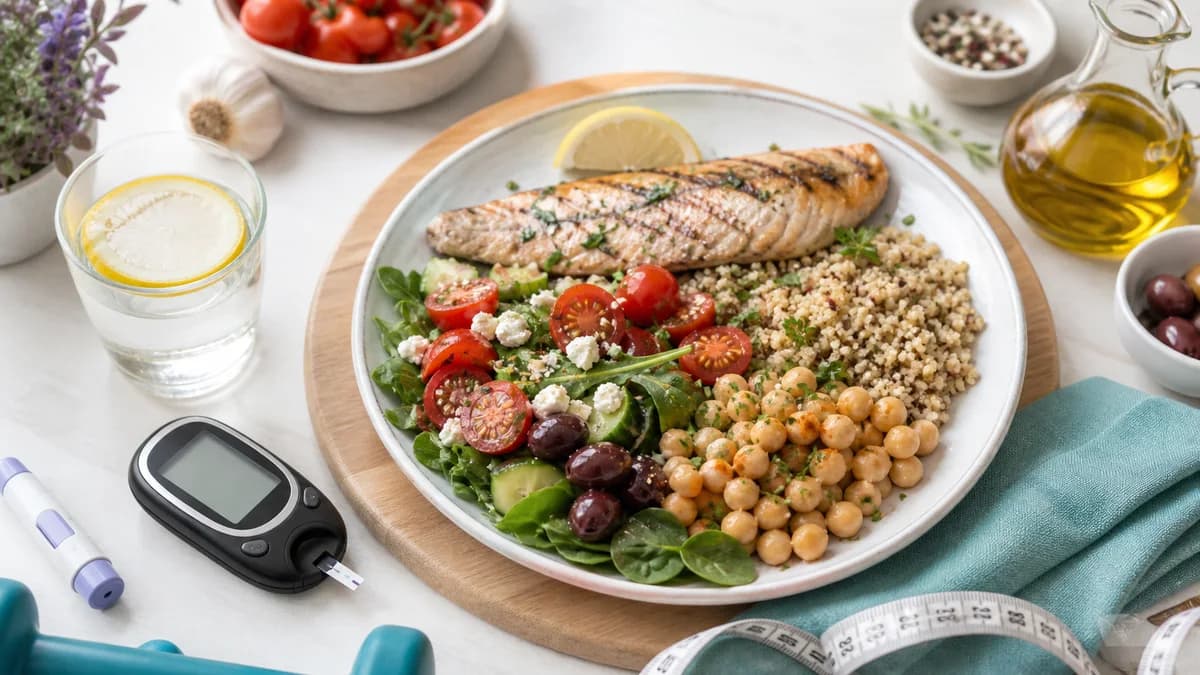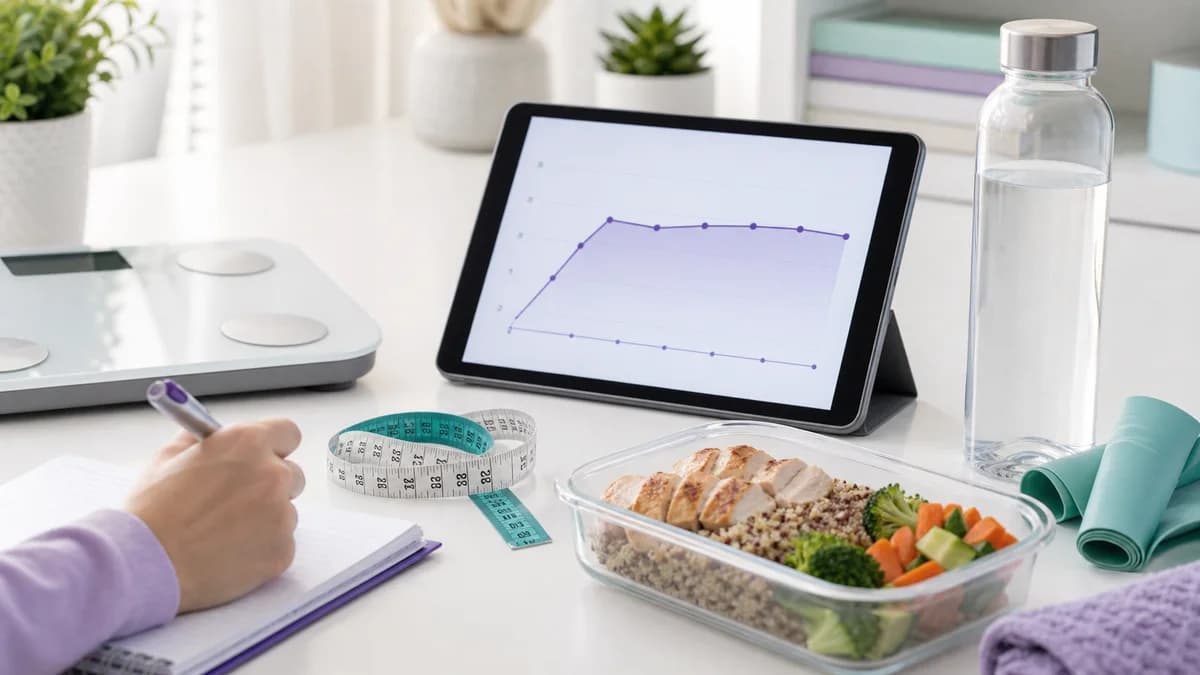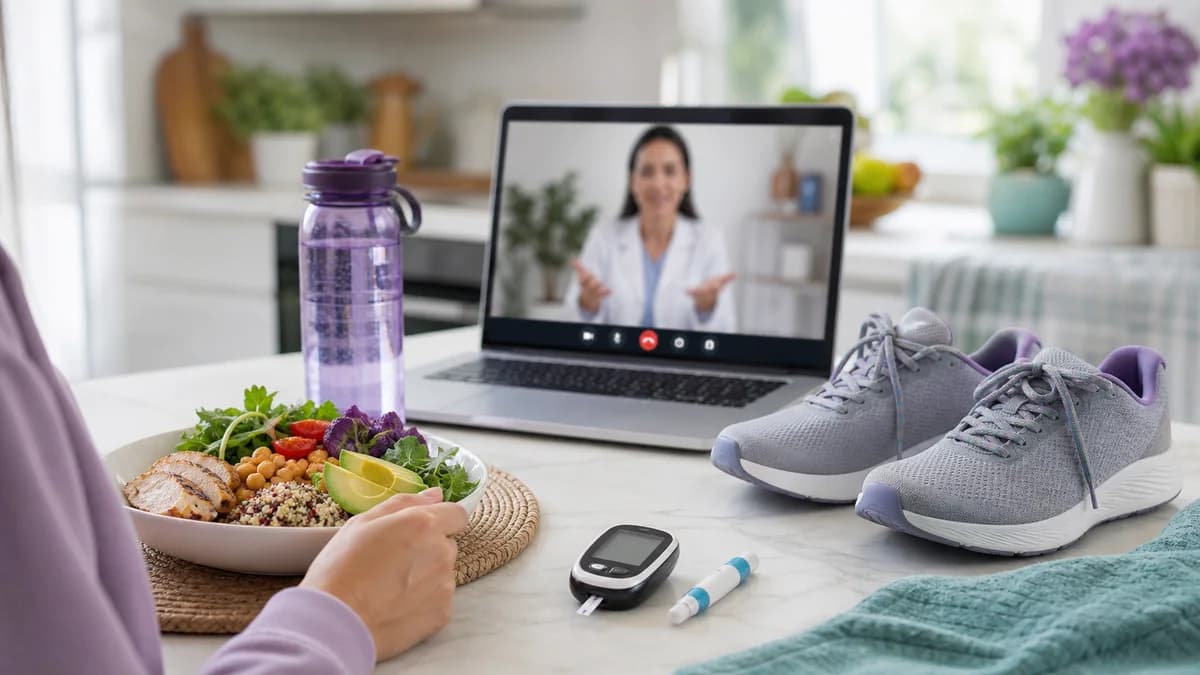
After a meal, glucose rises according to the amount and type of carbohydrates, protein, fat, fibre, treatment, sleep, stress and activity level. For many people, a simple option is walking after meals.
You do not need to become an athlete overnight. Sometimes 10–15 minutes of gentle walking after your main meal is a better start than a gym membership you do not use. This article is for information; if your diabetes is treated with insulin or medicines that can cause hypoglycaemia, discuss changes with your doctor.
Why does exercise after meals help?
Muscles use glucose as an energy source. When you move after a meal, the body can use some of the glucose circulating in the blood. Regular physical activity is therefore associated with better glucose, blood pressure, cholesterol and weight control.
After-meal exercise is practical because it targets the period when postprandial glucose rises. For an explanation of measurement times, see fasting and postprandial glucose.
How can you start without overdoing it?
choose the meal after which your glucose rises most;
start with 5–10 minutes of gentle walking;
gradually increase towards 15–20 minutes if you feel well;
use the stairs or walk indoors if the weather prevents going out;
record glucose, the meal and walking duration to see the pattern.
If you have neuropathy, balance problems, joint pain or heart disease, activity needs to be adapted. Also see the article on diabetic neuropathy for foot precautions.
Do not use exercise as punishment for a meal
The aim is not to “cancel out” what you ate, but to help the body handle glucose better. Turning walking into punishment increases the chance of giving up. The best approach is repeatable: a walk after dinner, walking to the shop, light cleaning or a short trip around the block.
If you notice that you need a long walk after every meal to prevent glucose rising, the meal may need adjustment: more fibre, clearer carbohydrate portions, enough protein and fewer sugary drinks. A useful article is fibre, diabetes, cholesterol and weight loss.
Precautions in diabetes
If you use insulin or medicines with a hypoglycaemia risk, measure glucose as recommended by your doctor and carry a source of fast-acting carbohydrates. Physical activity can lower glucose both during exercise and afterwards. Learn the signs from the article on hypoglycaemia.
If glucose is very high and you feel unwell, do not use exercise as an improvised treatment. In some situations, especially type 1 diabetes or lack of insulin, exercise can be dangerous. Ask for clear medical guidance.
Exercise, weight loss and muscle
Walking after meals helps, but does not fully replace strength training. For weight loss and metabolic health, walking, strength exercises, enough protein and sleep together are better than cardio alone. Also read about protein, weight loss and muscle.
How do you interpret the glucose response?
If you measure glucose, do not draw conclusions after a single meal. Try the same type of breakfast or dinner on two or three different days, with and without a walk, under similar conditions. Poor sleep, stress or an infection can change the response. Look for the trend, not perfection.
Walking may reduce a glucose spike yet be insufficient if the meal contains a lot of liquid sugar or large portions of refined starches. In that case, combine exercise with adjustments to the plate. If hypoglycaemia occurs after activity, discuss treatment with your doctor.
A minimum plan for busy people
Choose one meal a day after which you walk for 10 minutes. Keep your shoes visible, prepare the route and do not wait for motivation. After two weeks, decide whether to add another walk or a short strength session. The goal is consistency, not performance.