Polycystic ovary syndrome, commonly known as PCOS, is a hormonal and metabolic condition. It can include irregular cycles, acne, excessive hair growth, fertility difficulties, weight gain or difficulty losing weight. Not everyone has the same symptoms.
One important factor is insulin resistance. Many women with PCOS have cells that respond less readily to insulin, and the body compensates with higher insulin levels. This can affect appetite, abdominal fat, prediabetes risk and the risk of type 2 diabetes.
PCOS is not only an ovarian problem
The name can be misleading. PCOS affects ovulation and androgen hormones, but also has a metabolic component. A good plan therefore goes beyond ultrasound. The menstrual cycle, clinical signs, hormone tests, glucose, HbA1c, lipid profile, blood pressure, weight and family history all matter.
If you already have tests with many results to interpret, online test interpretation may help, followed by gynaecology or endocrinology consultation when needed.
Why can weight loss be harder?
Insulin resistance can favour energy storage and quicker hunger after meals high in sugar or refined carbohydrates. PCOS may also involve poorer sleep, anxiety, emotional eating and repeated frustration after restrictive diets. When a diet is too harsh, the risk of giving up and returning to the starting weight increases.
It is important to be clear: PCOS does not mean weight loss is impossible. It means the plan needs to be realistic enough for your body and schedule.
What helps in practice?
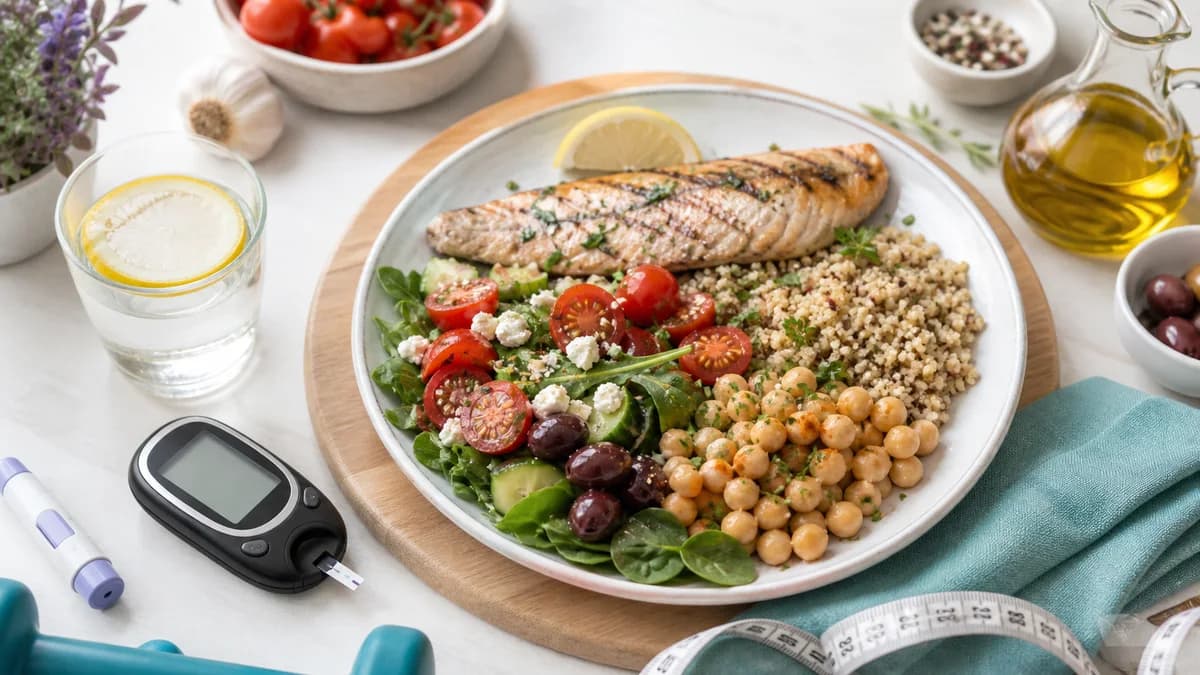
- protein at every meal, for fullness and muscle;
- more carefully chosen carbohydrates: pulses, wholegrains, whole fruit and cooled/reheated potato when tolerated;
- plenty of fibre, especially from vegetables, beans, lentils, chickpeas, oats and seeds;
- progressive strength training, not only cardio;
- regular sleep and fewer very late meals;
- periodic metabolic monitoring, not only weighing yourself.
A useful approach is also explained in the article on fibre, diabetes, cholesterol and weight loss. For more structured meals, you can discuss a personalised nutrition plan.
Which tests can you discuss with your doctor?
There is no single universal set. Depending on symptoms, the doctor may recommend fasting glucose, HbA1c, lipid profile, transaminases, TSH, prolactin, total/free testosterone or other hormone markers. A glucose tolerance test is discussed in some cases, particularly when diabetes risk is high.
If weight rises rapidly or cycles become much more irregular, do not assume everything is PCOS. Other endocrine causes may be present, including thyroid problems discussed in the article on TSH, the thyroid and weight.
Treatment is individual
Some people need hormonal treatment, others metabolic treatment, and others nutrition support and physical activity. With obesity or diabetes, weight-management medicines may also be discussed, but only after medical assessment. Also read what medical assessment for weight loss involves and why it is not suitable for everyone.
The goal is not just a lower number on the scale, but improved ovulation, metabolic markers, energy and relationship with food. Often, a moderate, maintained loss is more valuable than a spectacular two-week diet.
An example of a more metabolically stable day
The morning can begin with Greek yoghurt, berries and seeds, or eggs and vegetables, rather than only coffee. At lunch, a plate with protein, vegetables and a portion of fibre-rich carbohydrates reduces the risk of intense evening hunger. Dinner can be simpler: fish, chicken, tofu or pulses with vegetables and a clear portion of starch if needed.
There is no single PCOS diet. Some people tolerate dairy well, others do not. Some feel well with 3 meals, others with 3 meals and a snack. What matters is tracking energy, cycles, hunger, glucose if monitored and long-term adherence.
What is worth avoiding
Very low-calorie diets, detoxes and promises of “hormonal balance” through one supplement can delay appropriate care. In PCOS, progress comes from a combination of medical monitoring, nutrition, exercise, sleep and treatment when indicated.